Growing stronger together
Integrated care, therapeutic support and nurturing relationships for every young person on St Ultan's Campus, so every child feels safe, heard and supported to thrive.


Integrated Care & Education (ICE)
Our Integrated Care & Education (ICE) Model is an evidence-informed, child-centred framework designed to support the holistic development of every young person on St Ultan's Campus.
ICE uses a strengths-based approach, recognising each young person's abilities and potential while providing early, preventative interventions to reduce the escalation of risk. We embed trauma-informed and attachment-based care across all areas of service delivery, ensuring that support is nurturing, consistent and responsive.
Our model brings together education, care services, therapeutic supports, families and community partners to deliver coordinated and personalised interventions. We focus on:
- Promoting educational engagement and achievement
- Strengthening emotional regulation, resilience and social functioning
- Providing early support before difficulties escalate
- Maintaining robust safeguarding and risk-management systems
- Ensuring young people have voice and agency in decisions about their lives
At St Ultan's we believe every young person has strengths and potential. Our role is to nurture that growth in a safe, supportive environment, empowering young people to thrive, feel heard and reach their full potential.
The Care Service (Club)
The Care Service offers support for young people from a wide age bracket who present with a range of needs, from low and moderate, to high and complex. Many of the young people and families we work with have experienced a variety of challenges, including hidden harms and complex life circumstances.
We provide child-centred, developmentally informed support within a safe, structured and therapeutic environment. Through early intervention and preventative support, we aim to reduce risk, prevent escalation, and promote long-term stability and wellbeing. The Care Service operates through our Integrated Care & Education (ICE) Model, ensuring care and education work together in a coordinated, holistic way.
We are committed to:
- Delivering early, preventative interventions to reduce escalation of risk
- Embedding nurture, holistic and attachment-based care across all service delivery
- Promoting educational engagement, attendance and achievement
- Strengthening emotional regulation, resilience and social functioning
- Maintaining robust safeguarding and risk management
We use a strengths-based approach, recognising each young person's abilities and potential, and building on these to support growth and positive outcomes.
Attachment-Based Interventions
Building safe, trusting relationships that increase emotional security. Research shows secure attachments lead to improved long-term social and emotional outcomes.
Holistic Support Sessions
Emotional safety and space for young people to express feelings, concerns and goals, developing coping strategies, life skills and emotional regulation.
Play-Based Work
Games, creative activities and structured play create safe platforms for young people to explore thoughts and emotions, develop communication skills and support healthy development.
Reflective Repair After Incidents
Following challenging incidents we restore relationships, support emotional regulation and help young people learn and grow from the experience in a constructive way.
Across six developmental areas, we support every young person holistically.
Educational Development
Promoting attendance, engagement and readiness to learn.
Therapeutic Interventions
Supporting mental health, routines, emotional regulation, attachment needs and recovery from trauma.
Physical Development
Encouraging healthy routines, physical wellbeing and self-regulation.
Cognitive Development
Developing decision-making, reasoning, attention and problem-solving skills.
Behavioural Development
Reducing risk, strengthening boundaries, improving impulse control and supporting positive social interactions.
Social & Emotional Development
Building attachment security, emotional literacy, peer relationships, confidence, pro-social behaviours, positive mental health and self-esteem.
The Care Service ensures that young people receive the right support at the right time in a safe, nurturing environment. We work closely with families, the school and professionals to:
- Support emotional stability
- Strengthen relationships
- Encourage and model positive behaviours
- Promote confidence and resilience
- Enable meaningful engagement in education
Our goal is simple: to support every young person to feel safe, understood, and supported to thrive, both now and into the future.
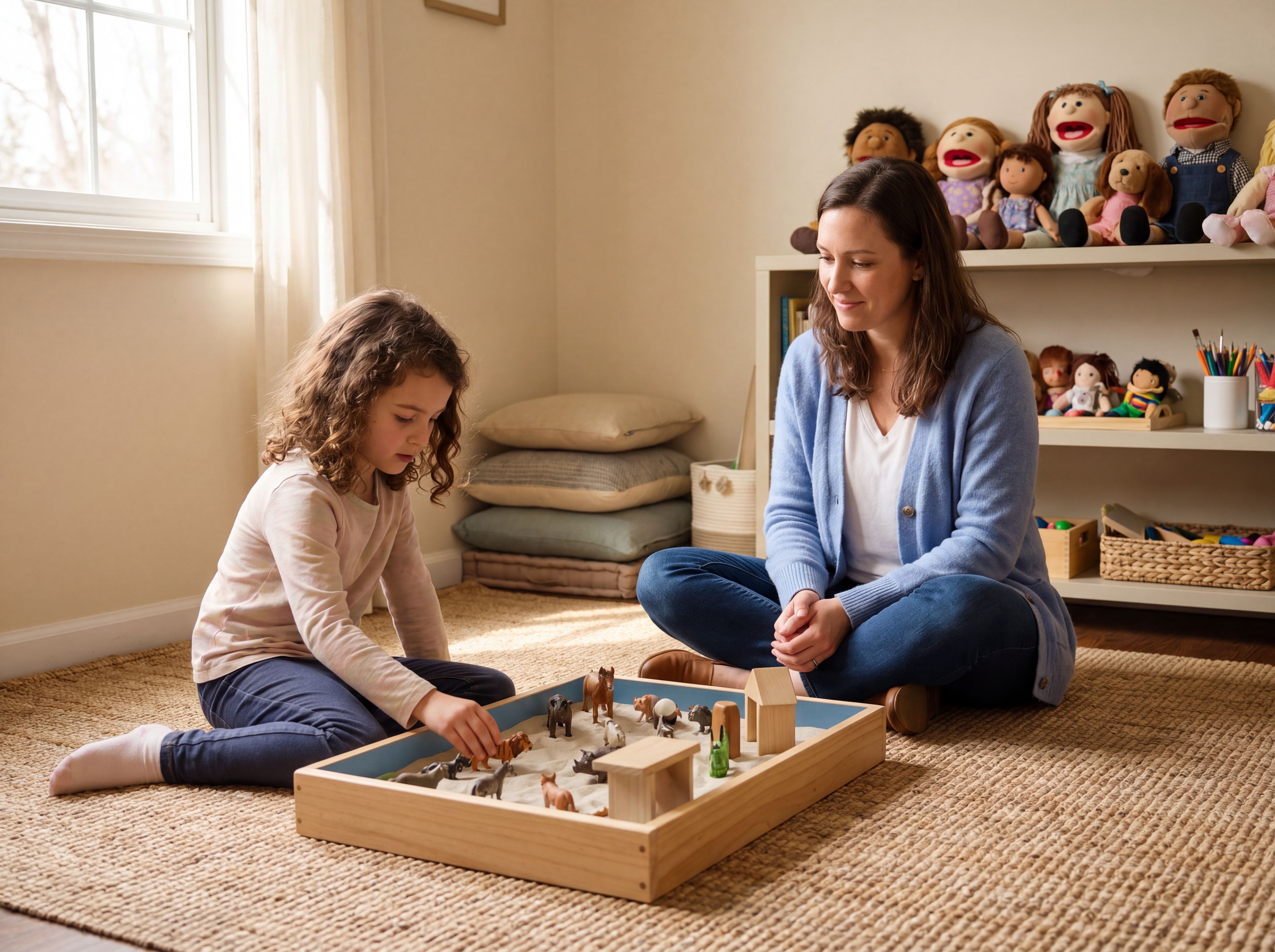
St Ultan's Play Therapy
Play Therapy is a specialist therapeutic intervention within our Integrated Care & Education (ICE) Model. It provides supportive, structured care for emotional wellbeing for children and young people in a safe, nurturing environment.
Through the therapeutic use of play, children are offered a safe and confidential space to express feelings, process difficult experiences and develop emotional regulation and coping skills. Play Therapy strengthens resilience, enhances self-awareness and supports the development of healthy relationships.
Play Therapy works collaboratively with care and education professionals to ensure that emotional wellbeing is central to the child's overall development, engagement in learning and long-term positive outcomes.
At a Glance
What defines our approach across the three strands of the Care Service.
Integrated Care & Education (ICE)
- Evidence-informed, child-centred framework
- Strengths-based approach
- Early, preventative interventions to reduce risk escalation
- Multidisciplinary collaboration across education, care and therapeutic supports
- Individual ICE Plan reviewed regularly to track progress
Care Service
- Safe, structured and therapeutic environment
- Attachment-based and relationship-focused practice
- Holistic support across emotional, behavioural, cognitive, physical and social development
- Reflective repair and restorative approaches following incidents
- Strong safeguarding and risk-management systems
Play Therapy
- Specialist, developmentally appropriate therapeutic interventions
- Supports emotional regulation, resilience and self-expression
- Supports processing skills and confidence
Meet the Care Service Team
The people behind the support, therapy and programmes that shape our Care Service.
Adel Burke
Care Service Coordinator
Louise Connelly
Play Therapist, Lead
Teresa Flanagan
Programme Lead
Hannah Buckley
Programme Lead
Get in touch with our Care Service
For information about the Care Service, ICE referrals, Play Therapy or any of our supports, contact Adel Burke, Care Service Coordinator.
Email Adel Burke